The Story Lab
Creative Social Science for Change
The Story Lab
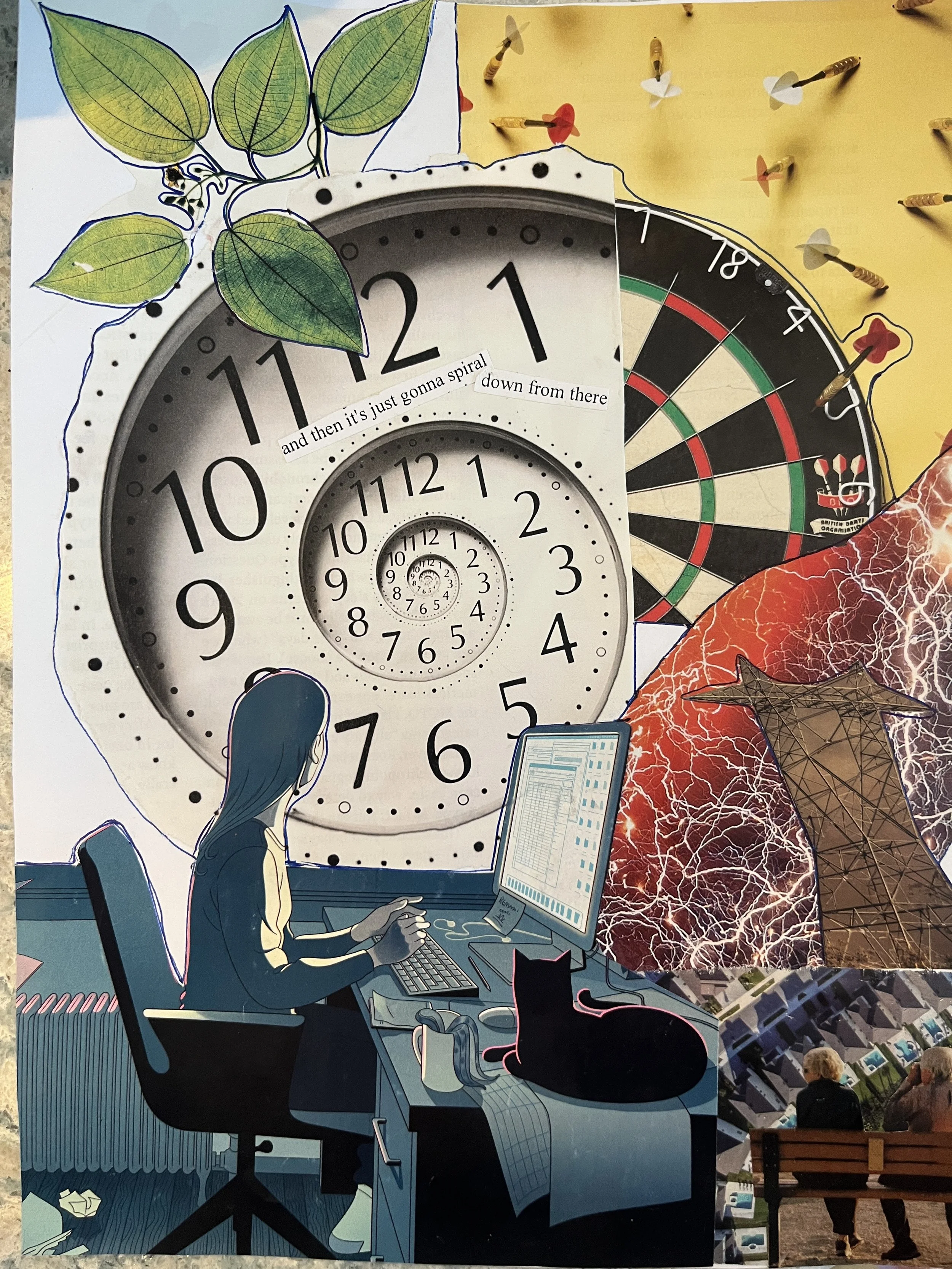

Student publications:
Between Borders & Ballots. Romeo Panful
Seizing the Opportunity: Experiential Learning in Undergraduate Education. Bianca Uguino Uribe.
Youth are Changing Perspectives on Death: Here’s What they want you to know. Fabienne Sparks and Hardy
Selected publications from story lab projects and collaborations
Research is Personal, Always
Health Justice in Two Ways: Examples from the Field
Staying safe in the time of coronavirus: pay attention to ‘the guy you know’
Tribes mount organized responses to COVID-19, in contrast to state and federal governments
How do Americans view the virus? Anthropology professor examines attitudes, perceptions of COVID-19
GovExec Daily: Native Communities, the Federal Government and the Pandemic
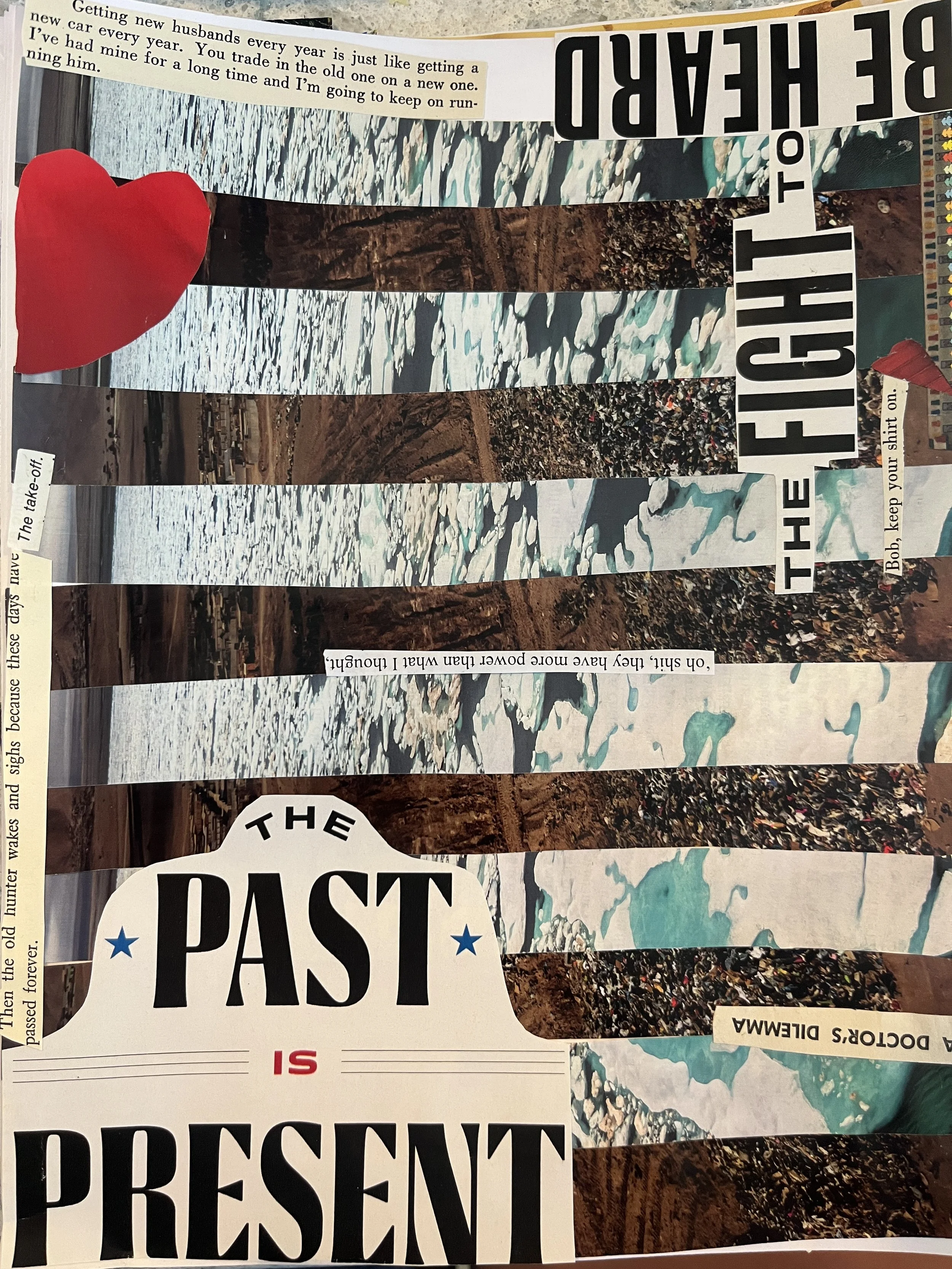
Dr. Thompson-Campitor’s current research
This research is an ethnographically-informed collaborative effort designed to examine the sociocultural terrain of tickborne illnesses in North America. We use mixed-methods, interdisciplinary approaches to investigate embodied, experiential, social, political, and epistemic dimensions of tickborne illnesses. We consider intersecting social factors that shape knowledge and experience of tickborne illnesses, and work to develop culturally appropriate, tailored interventions that support tickborne illness knowledge translation at the local, state, and federal levels.
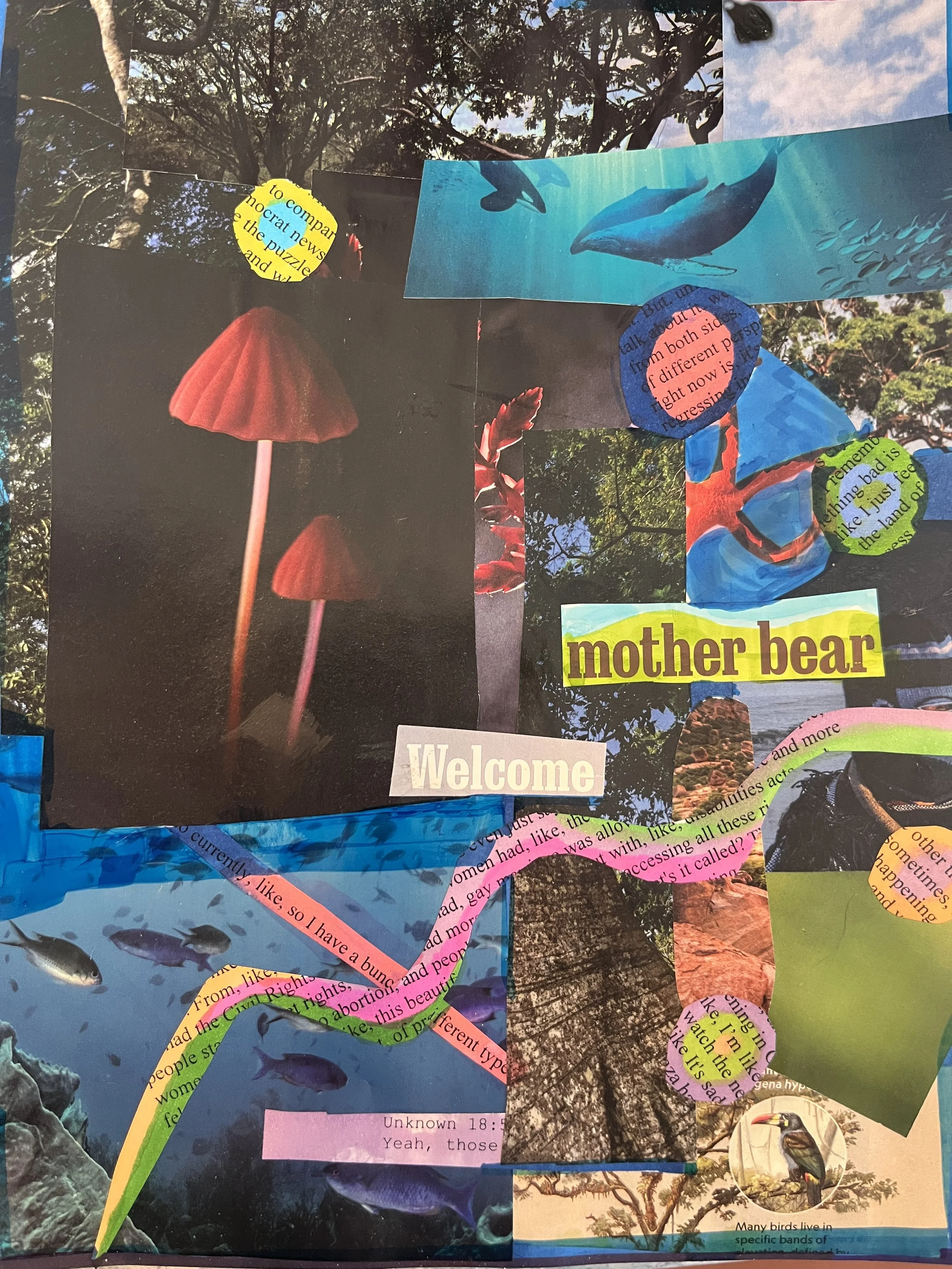
The Story Lab is the university-based partner of Mitochondrial Breakfast. Here we conduct research, evaluation, and policy work through grants, courses, student collaboration, and internships.
Founding Director: Dr. Lisa J. Hardy
Co-Director: Dr. Carly Thompson-Campitor
Affiliated Experts: Dr. Leah Mundell, Dr. Corina Kellner, Dr. Ken Roark, Amy Hughes, MA, Shanell Yenchik, MA, Dr. Eric Otenyo
Location: Northern Arizona University - Bilby Research Center, Room 131 and 131a
The Story Lab serves as a central location for learning and best practices for community-engaged research, practice, methods, and storytelling in northern Arizona. Faculty, students, and community partners develop and implement interdisciplinary projects in community engagement, social justice, youth participation, and creative arts research. With a focus on storytelling related to medical anthropology and community health, partners develop projects and conduct training sessions on ethics, primary data collection, mixed-methods analysis, and dissemination of findings through professional presentations and publications.
The lab provides research, training, and opportunities for storytelling for social change and related active research projects that include faculty, undergraduate, and graduate student collaboration. The lab offers opportunities in community engagement, the development of op-eds, collaborative writing, journal editing, and the development of policy recommendations for students and partners.
We welcome new community partners and undergraduate and graduate students as interns and researchers. Students are also welcome to participate in the lab for course credit in active projects including through Community and University Public Inquiry.
Initiatives
Writing groups and community between students, faculty, staff, and community partners; workshops and course offerings on public scholarship, arts-based collaboration and research, youth-led and youth-engaged mentorship and career readiness, and other related projects.
Current affiliated grant projects are building partnerships for community engaged healthcare for birthing people in eastern Arizona; Sociocultural Dimensions of Covid-19—faculty, graduate students, and international collaborators conducting a mixed-methods investigation of life during Covid-19; Interview, focus group, and data analysis workshops; Supporting Immigrant Families in Flagstaff Schools—faculty and undergraduate researchers collaborate with Flagstaff Unified School District and Northern Arizona Interfaith Council to support improved language access services, teacher training, and parent engagement; Immigration and Public Health—faculty and graduate students implementing mixed-methods research to assess impacts of immigration policy on health and wellness in Arizona.
Selected bios
Lisa J Hardy, PhD, MA is a Professor of Anthropology and author. She is the founding director of the Story Lab. Current research and writing includes building community-engaged medical facility designs, youth-led investigations of generational outcomes related to living through lockdown and arts-based poetry as methods training and workshops. Dr. Hardy presents workshops and keynotes on public scholarship and storytelling and authored a recent toolkit on storytelling together. lisa.hardy@nau.edu
Leah Mundell, PhD, is an Associate Teaching Professor in Anthropology and coordinator for the Community Engagement Minor in the Sustainable Communities program. Her applied research has focused primarily on migration and issues affecting immigrant families in the U.S. and South Africa, from a community organizing perspective. leah.mundell@nau.edu
Ken Roark, PhD, MA, is an applied anthropologist and STS researcher with over 20 years of ethnographic and design research experience in the U.S. and Canada. They are the founder and primary investigator at Sky Island Design Research LLC, a design research practice specializing in participatory design, visual ethnography and shared decision making. Current creative projects include NUDGE: a serious game about queer/trans surveillance (Queer Tech Futures) and THE GULF BETWEEN (pre-production), a personal documentary about the Gulf of Mexico.
Taylor Schweikert is an graduate of Women’s and Gender Studies and Sociology. She served as an integral team member on the project Socio-cultural Dimensions of Covid-19, with a focus on youth arts-based research. She is a recipient of the Student-led Projects in the Arts and Creative Activity (SPArCS) award, and is interested in youth advocacy and mental health, story sharing, and arts-based research–especially when they all intertwine.
Carly Thompson-Camptior, PhD, MA studies contested illness experience, persistent Lyme disease, patient advocacy, embodied health movements, and medical knowledge production. Her lab work includes research, analysis, and writing.